Place guide
Fort Stanton Historic Site
Historic Site preserving a former U.S. Army post with more than 150 years of military, medical, and frontier history.
📍GPS: 33.494489, -105.526834
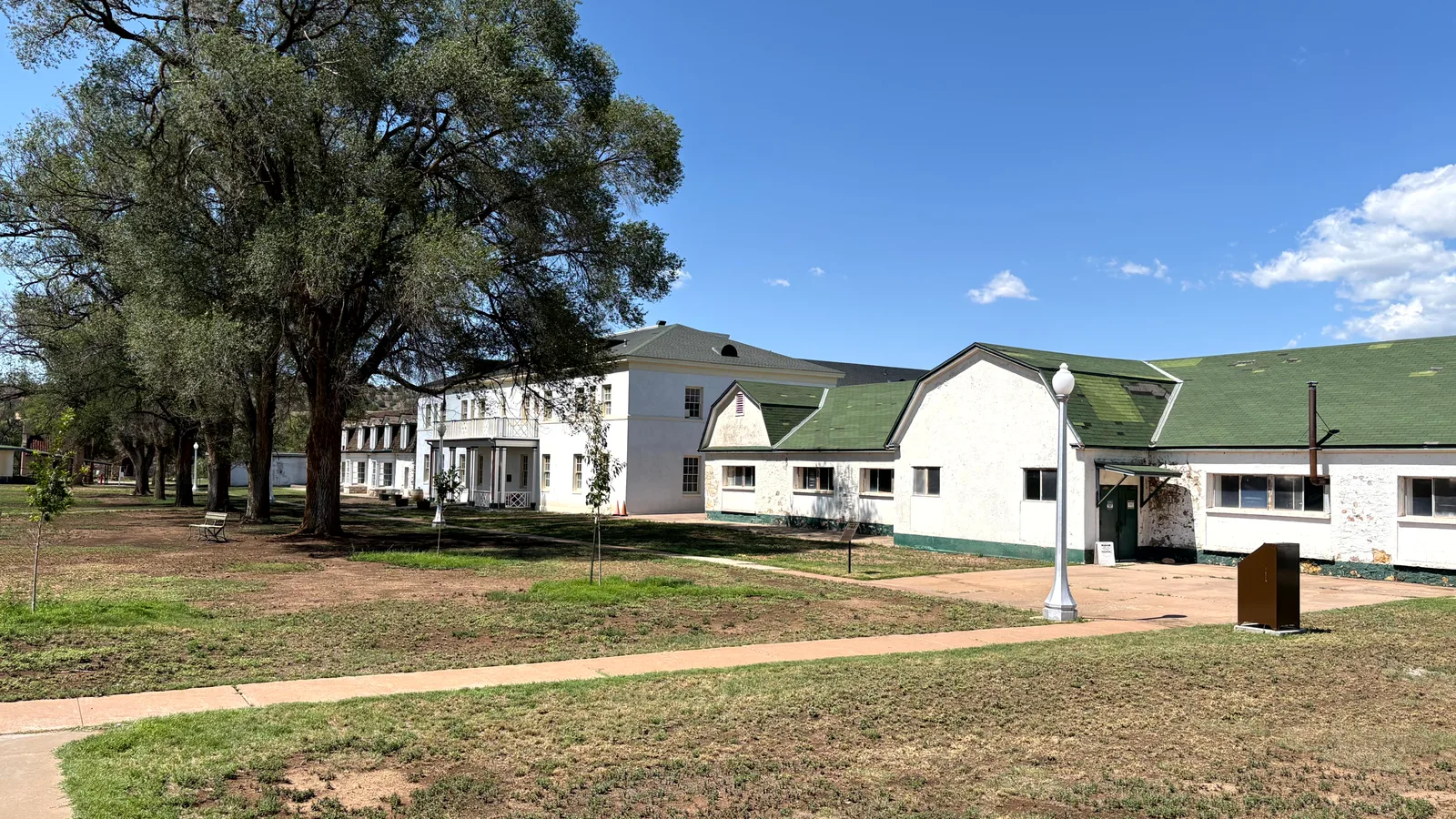
Fort Stanton Historic Site preserves a surviving frontier military post, but its history goes far beyond the Old West.
Established by the U.S. Army in 1855, Fort Stanton would serve as a military post, tuberculosis hospital, World War II internment camp, state hospital, and several other institutions during more than a century of continuous use. Its location placed it at the center of several major chapters of New Mexico history. Soldiers stationed here fought in the Apache Wars and later intervened in the Lincoln County War, while figures such as Kit Carson and general John J. Pershing also served at the post.
Today, you can explore that layer-cake of New Mexico history at the Fort Stanton Historic Site!
Exploring Fort Stanton Historic Site
The historic site covers roughly 240 acres, centered around the old military parade ground and surrounded by buildings constructed throughout the fort’s use. Start at the museum, which introduces Fort Stanton’s long history before you head outside to explore the grounds.
Some of the main things to see include:
- Parade Ground — The large open field at the center of Fort Stanton is surrounded by many of the oldest surviving buildings.
- Officers’ Quarters and Barracks — These stone buildings housed officers and soldiers stationed at Fort Stanton.
- Chapel — A distinctive stone building that served as the fort’s place of worship.
- Guardhouse and Stables — The surviving guardhouse and stables offer a glimpse into the everyday military operations of the fort.
- Merchant Marine Cemetery — Contains the graves of patients and servicemen associated with Fort Stanton’s later years as a federal tuberculosis hospital.
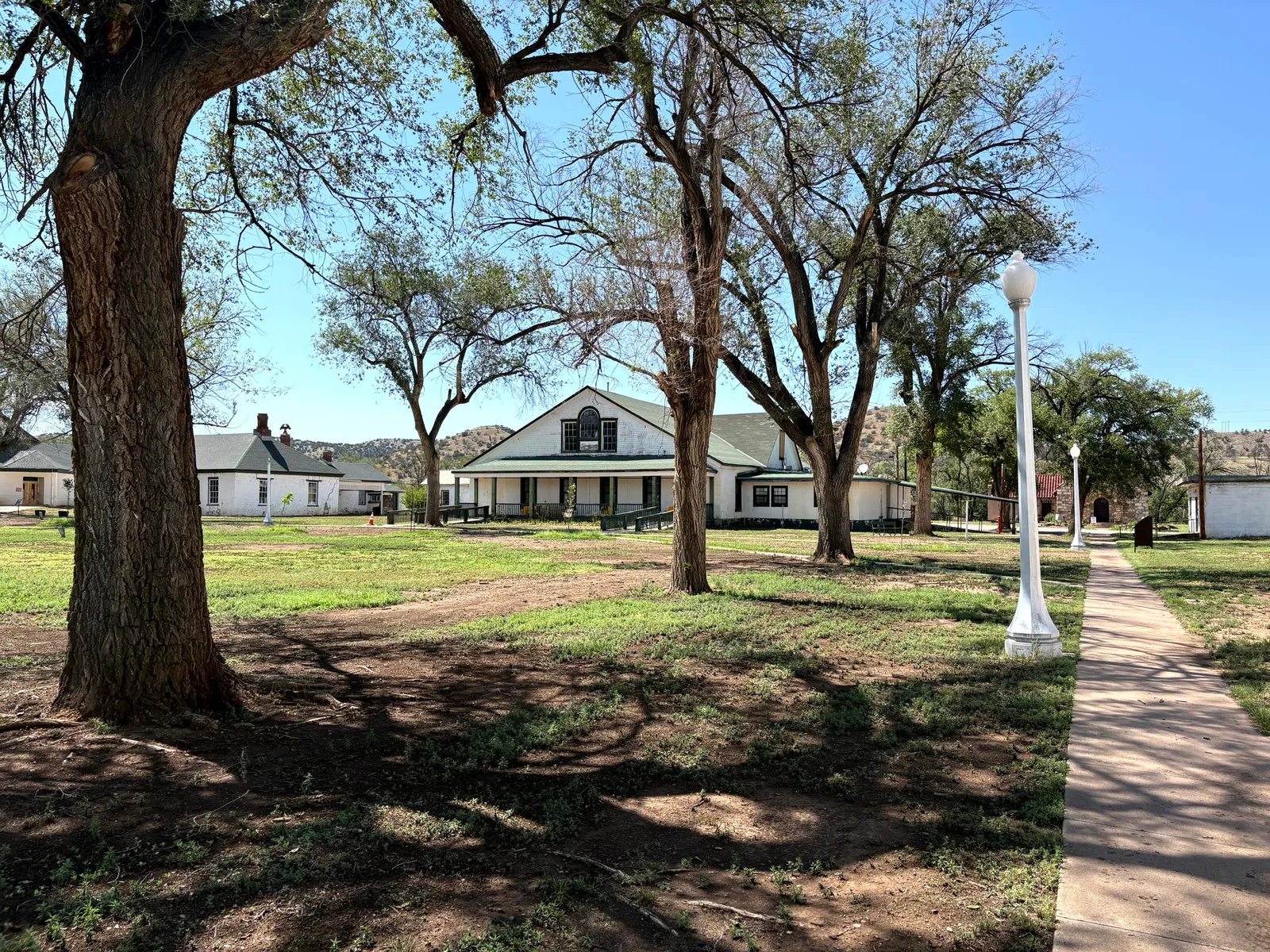
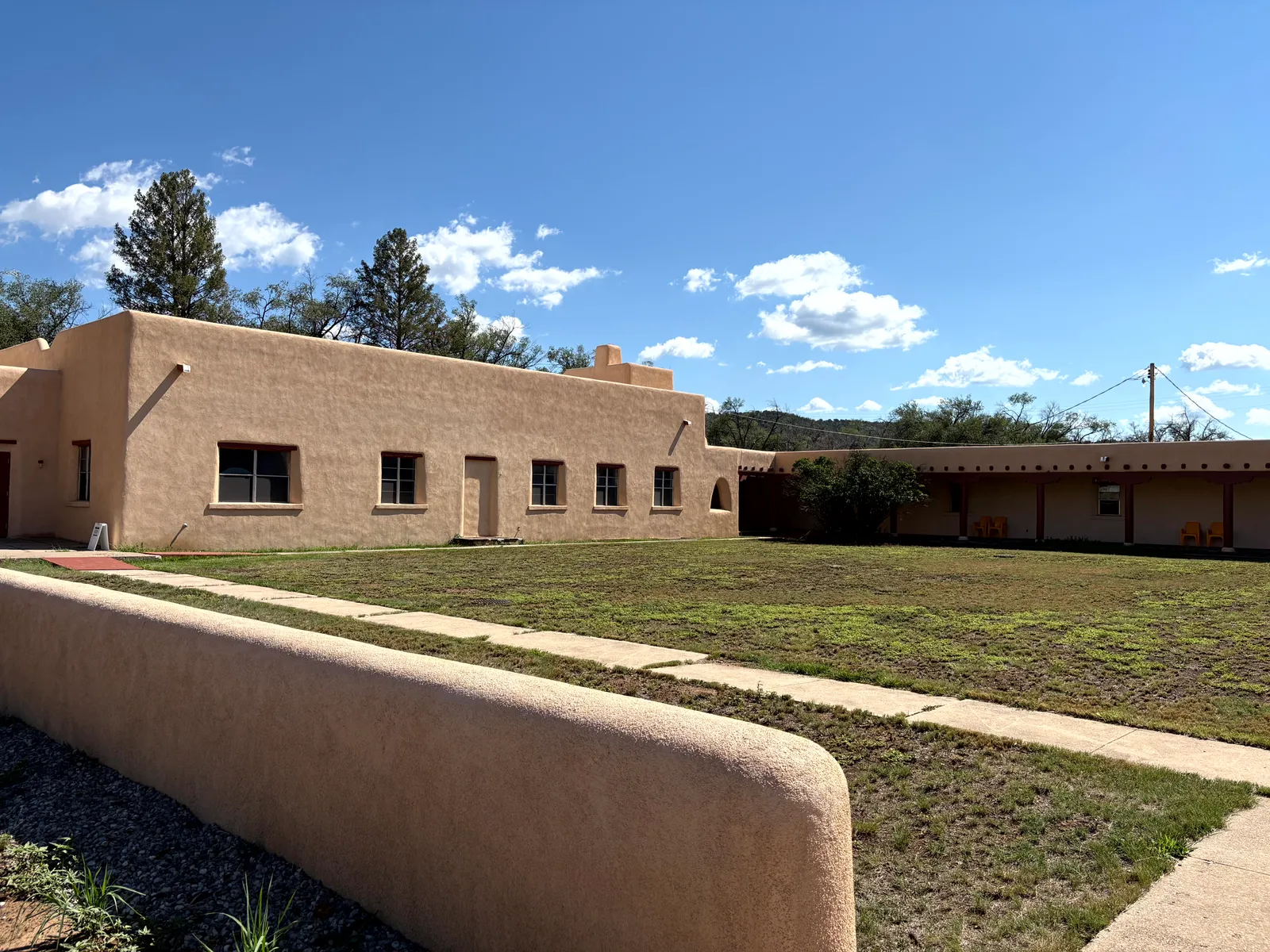
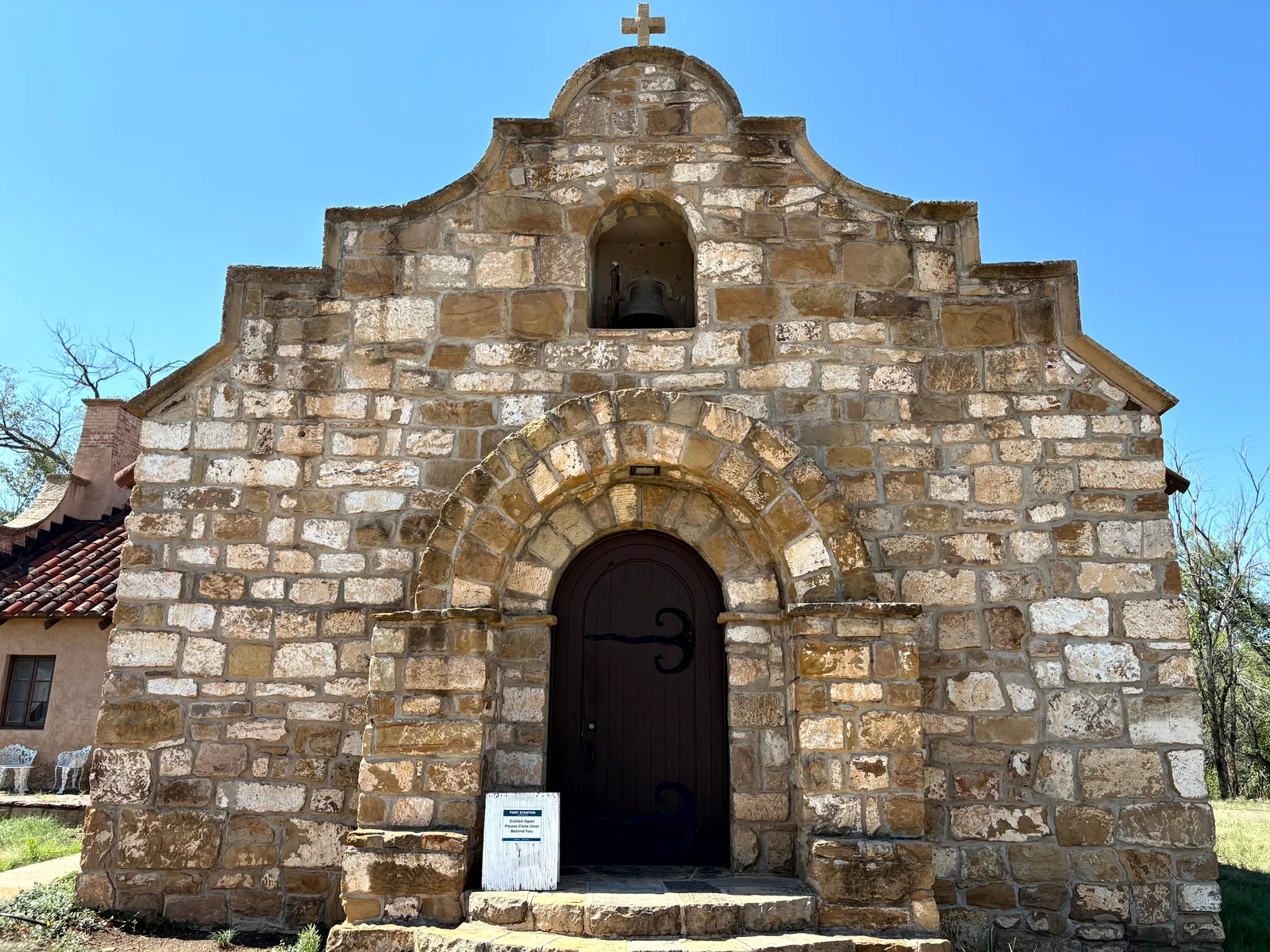
One thing to keep in mind while walking around is that not everything you see dates to the frontier era. Although many 19th-century military structures survive, much of the present complex was built or modified during Fort Stanton’s later years. The fort’s history can be divided into several major eras:
A Frontier Military Fort
Fort Stanton was established along the Rio Bonito in 1855, when around 300 soldiers of the 3rd U.S. Infantry began constructing a military post in the homeland of the Mescalero Apache.
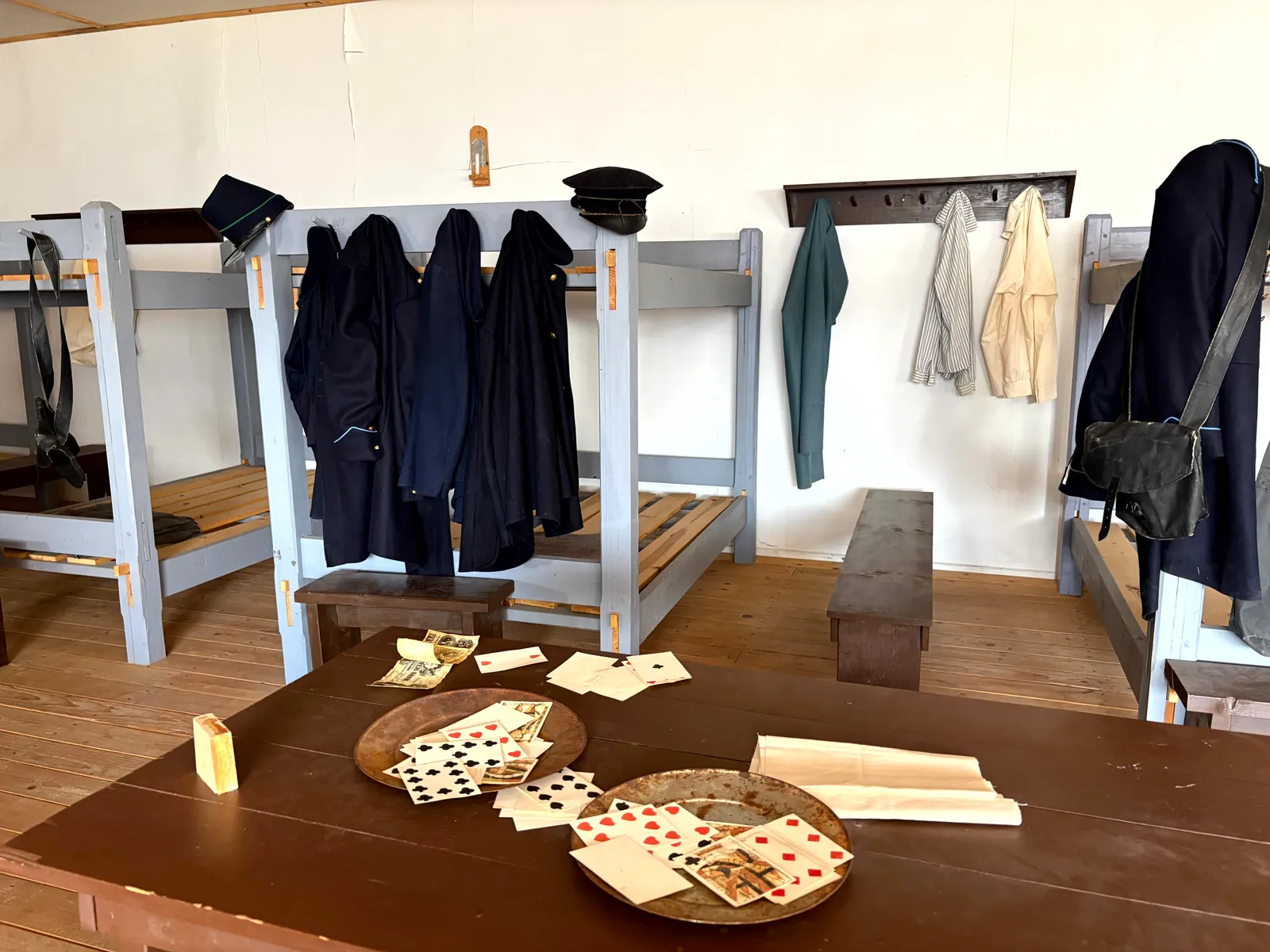
The relationship between the fort and the Mescalero was complicated. Mescalero leader Josecito had proposed a military post in the region as part of a peace agreement that could provide trade and protection, but by the time Fort Stanton was constructed that agreement had collapsed and the fort became part of the U.S. government’s military expansion into Apache territory.
During the Civil War, Union troops abandoned Fort Stanton in 1861 as Confederate forces advanced into New Mexico. The retreating soldiers attempted to burn the fort to prevent its use by the Confederates, but rain extinguished much of the fire. Confederate troops briefly occupied the post before withdrawing, and Union forces returned in 1862 under Kit Carson. Fort Stanton would remain an important military post for the next several decades.
Fort Stanton and the Lincoln County War
Fort Stanton also became closely connected to the nearby town of Lincoln.
Government contracts to supply Fort Stanton and the nearby Mescalero reservation were extremely valuable. The Murphy-Dolan business faction eventually gained control of much of this trade, helping create the economic power that would later be challenged by John Tunstall and Alexander McSween.
When the Lincoln County War erupted in 1878, Fort Stanton’s soldiers marched into Lincoln with a Gatling gun and mountain howitzer to restore order.
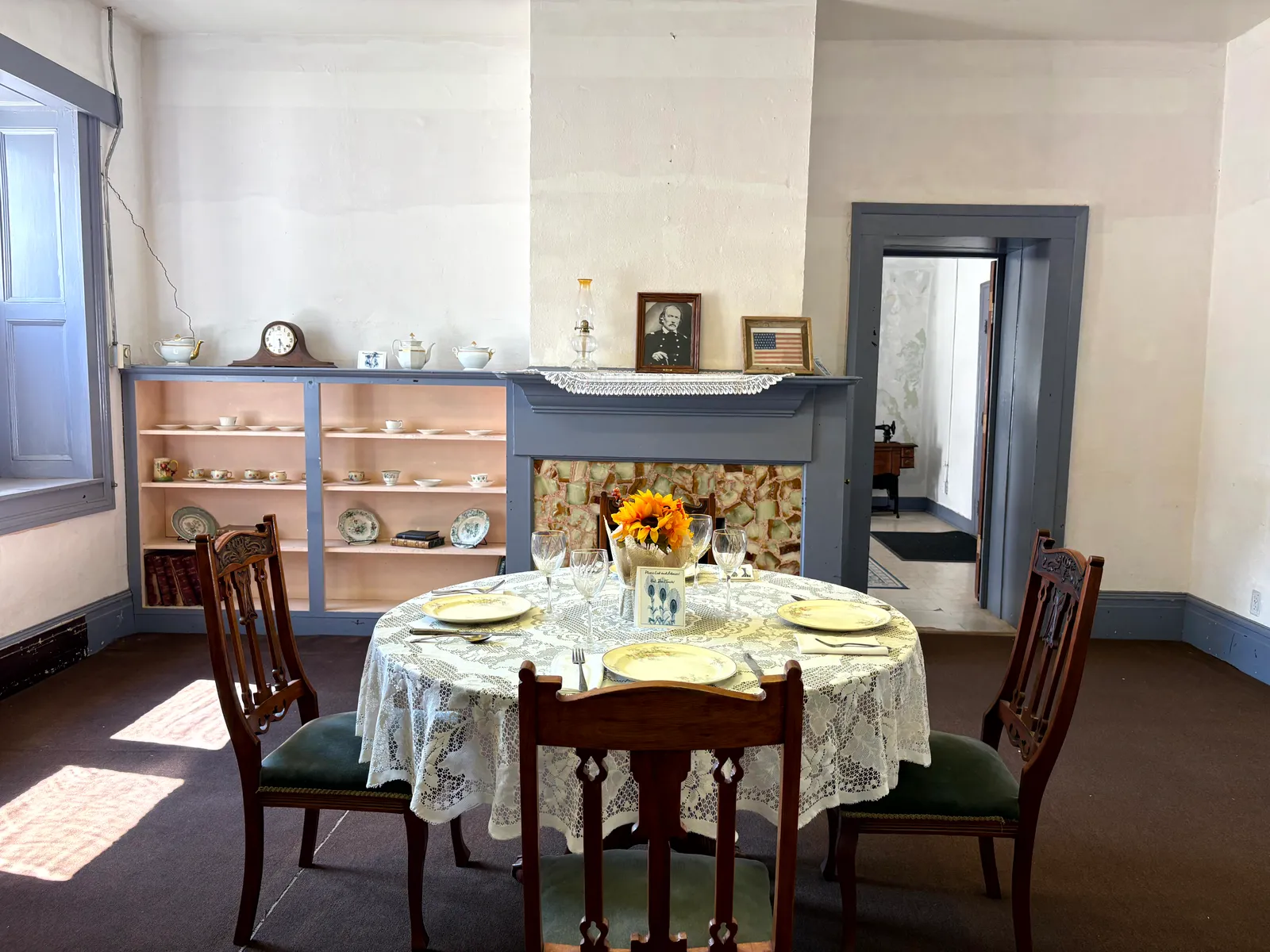
Later, Buffalo Soldiers stationed at Fort Stanton participated in campaigns during the Apache Wars. John J. Pershing, who would eventually command American forces in Europe during World War I, also served at the fort early in his military career.
By the 1890s, the frontier military system was disappearing and only 15 soldiers remained at Fort Stanton. The Army officially abandoned the post in 1896.
Fort Stanton Becomes a Hospital
In 1899, the U.S. Marine Hospital Service took over the old fort and transformed it into the first federal tuberculosis sanatorium in the United States. Its dry climate, elevation, water supply, isolation, and existing stone buildings made Fort Stanton perfect for treating tuberculosis.
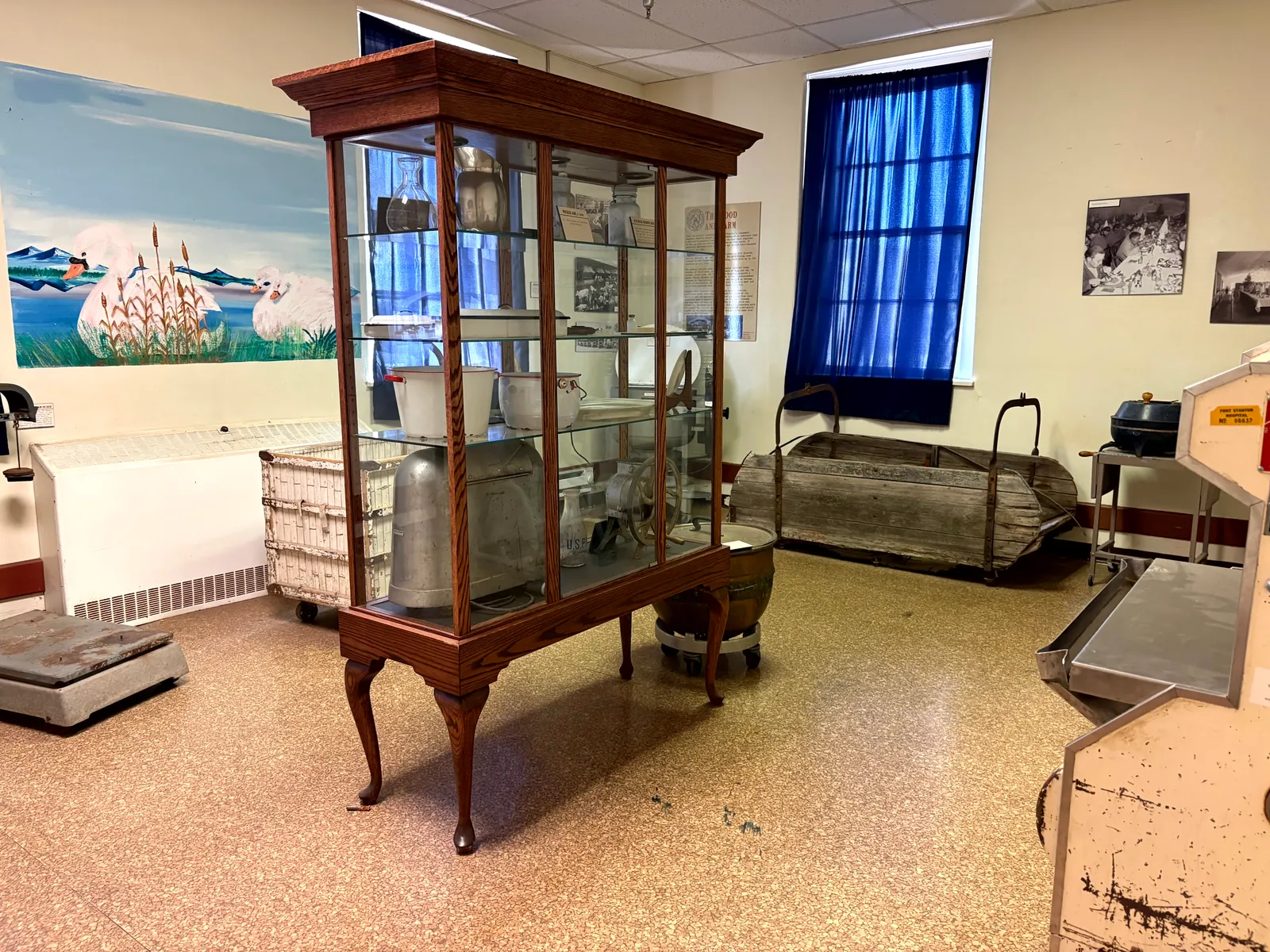
Old military buildings were converted into hospital wards, dining facilities, laboratories, and staff housing, while new structures were gradually constructed around the complex. Patients were prescribed rest, food, exercise, fresh air, and long periods outdoors, the standard treatments for tuberculosis before effective antibiotics became available.
Fort Stanton remained a major tuberculosis treatment center for more than half a century and treated thousands of patients between 1899 and 1952.
World War II Internment Camp
In 1941, more than 400 German sailors from the SS Columbus were brought to a former Civilian Conservation Corps camp on the property. The ship’s crew had been stranded in the United States after purposely sinking their ship to avoid capture by the British. The German sailors initially lived with loose restrictions, building gardens, cabins, and sports facilities and interacting with the locals.
After the United States entered World War II, the sailors were classified as enemy aliens and the camp was surrounded by fences, guard towers, and armed guards. German, Italian, and Japanese internees were also brought to Fort Stanton, with a total of 778 detainees passing through the camp during the war.
Later Years
The federal tuberculosis hospital continued until advances in antibiotics made long-term sanatorium treatment unnecessary.
In 1953, Fort Stanton was transferred to the State of New Mexico. It continued treating tuberculosis patients, many of them Navajo, until 1966. The site later served as part of the Los Lunas Hospital system, a drug rehabilitation facility, and a low-security women’s prison.
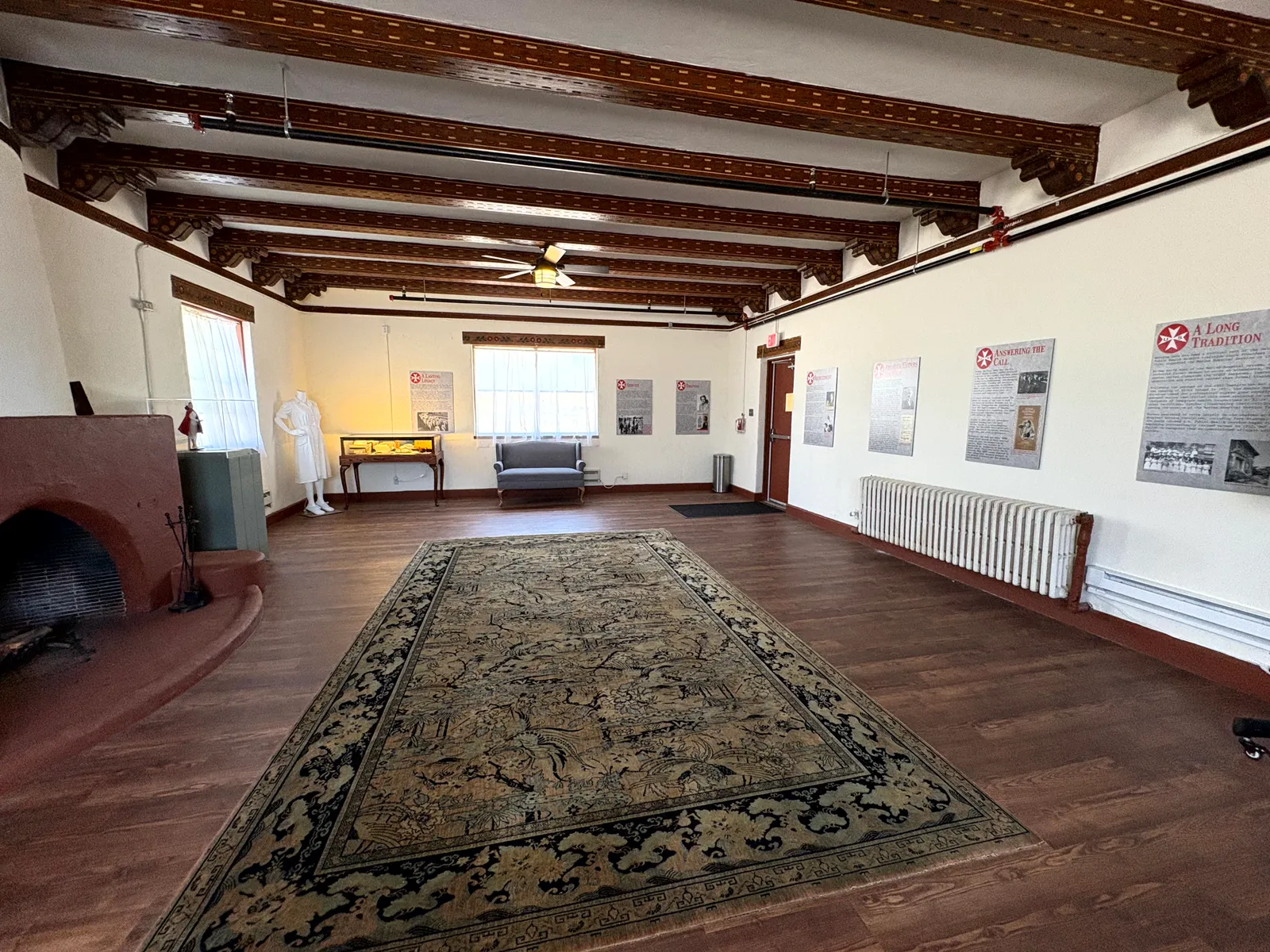
After decades of changing uses, preservation efforts eventually transformed Fort Stanton into the historic site you can explore today.
How Long Should You Spend at Fort Stanton?
Plan on spending around 1 to 2 hours at Fort Stanton Historic Site.
The museum itself does not take long to see, but the complex is large and much of the experience comes from walking around the old parade ground and exploring the surrounding buildings. If you really find the history fascinating and want to read every exhibit, you could easily spend longer. Fort Stanton also works well as part of a day full of historic sites. Lincoln Historic Site is only about 10 miles away, while Smokey Bear Historical Park is nearby in Capitan. The landscape surrounding the fort hides another remarkable wonder: Fort Stanton Cave, home to the famous Snowy River passage!
Nearby places
Fort Stanton Cave
A vast cave system famous for its 13-mile-long Snowy River passage.
Smokey The Bear Historical Park
The burial site of the real Smokey Bear, the orphaned cub rescued from a 1950 Lincoln National Forest fire.
Ruidoso
A cool mountain escape in the Sacramento Mountains known for skiing, horse racing, and outdoor adventure.