The many controversies of Frank Hibben
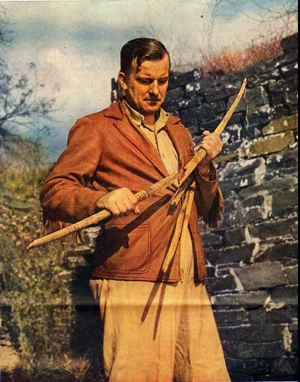
Frank C. Hibben (1910–2002) was one of THE archaeologists of all time. He made significant contributions to the study of Paleo-Indian cultures in the American Southwest, although many of his claims later became subjects of controversy. Hibben earned a PhD in anthropology from Harvard in 1940, authored many books and articles, and was a University of New Mexico anthropology professor for over 30 years.
He is best known for his claims about Sandia Man Cave, where he argued that “Sandia Man” represented a very ancient pre-Folsom culture in New Mexico. Those claims later became highly disputed. Critics questioned whether the Sandia points were genuinely ancient, whether the cave deposits had remained undisturbed, and whether the associated bones and Folsom-level artifacts actually supported Hibben’s proposed early date. Later researchers argued that site disturbances, mixed deposits, dating problems, and possible artifact manipulation made the Sandia claims unreliable.
The controversy extended beyond Sandia Cave into the Lucy site in Torrance County, New Mexico. Hibben claimed to have found more evidence of a Sandia culture at the Lucy site, including projectile points and other artifacts. Those findings were also treated with suspicion because no convincing Sandia-culture sites were ever confirmed elsewhere. Later archaeologists questioned whether Hibben’s artifacts had been misplaced, misinterpreted, or even planted, adding to the broader doubts surrounding his work.
Another challenged claim came from Chinitna Bay, Alaska, where Hibben reported an Ice Age campsite containing Folsom-like projectile points, hearths, stone flakes, and mammoth remains. Later geological and archaeological investigations found that the deposits were only a few hundred years old and found no evidence that an Ice Age campsite or mammoth-bearing sediment had ever existed at the site.
Hibben is also connected to the Los Lunas Decalogue Stone, a large basalt boulder with an inscription of the Ten Commandments in an ancient Hebrew-style script. Although reportedly discovered by an “unknown person”, Hibben was the first to document seeing the stone in 1933 and described it as appearing ancient due to its lichen growth and weathered patina. The stone’s authenticity remains heavily disputed because no archaeological evidence supports an ancient Hebrew presence in the area, the inscription contains mistakes, and the carving cannot be reliably dated.
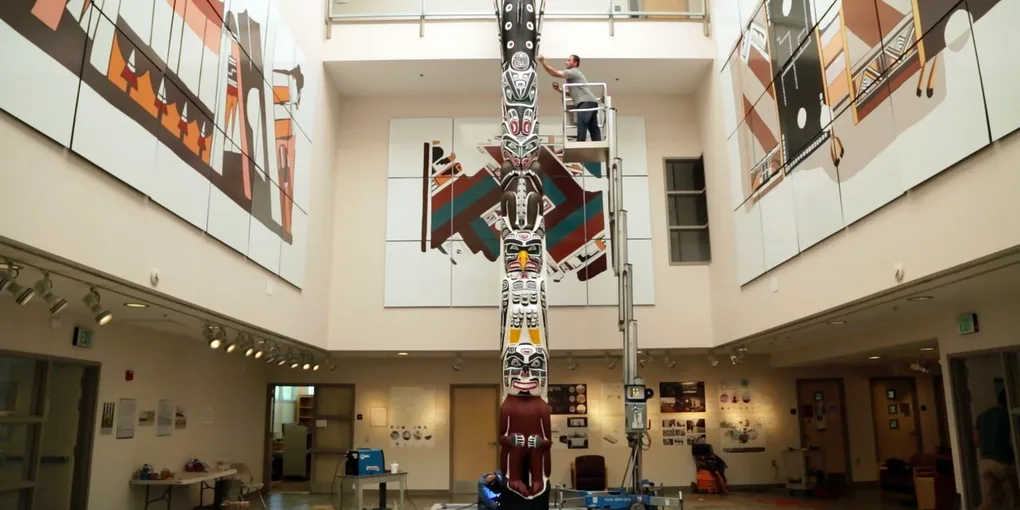
Another major controversy involved the Smith Family Totem Pole, a Tlowitsis Nation pole from Turnour Island, British Columbia. The pole was commissioned in 1907 and UNM reports it came to the university in 1941 from Hibben. According to the Tlowitsis account, Hibben tried to buy the pole for two cases of whiskey, was refused, and the pole later disappeared while the community was away seasonally. For decades it stood at UNM before UNM publicly acknowledged the Tlowitsis Nation as its rightful owners. In 2017, the pole was moved indoors to the Hibben Center, restored, and placed under a stewardship agreement in which UNM houses it as caretaker rather than owner.
Although writers and scholars have described Hibben’s work as fraudulent, it is important to note that he was never formally proven guilty of misconduct, and he denied wrongdoing. Still, his name remains tied to some of the most controversial archaeological claims in New Mexico history.